



The technology industry continues to introduce new computers, laptops, and digital devices designed to meet changing consumer expectations. However, many traditional devices become difficult to repair or upgrade when individual components stop working or become outdated. Framework is a technology company that approaches this challenge differently by focusing on modular computing, repairability, and product longevity. Its approach gives customers more opportunities to maintain and customise their devices instead of replacing them entirely. Through its range of laptops, desktop computers, replacement components, and accessories, Framework aims to make personal computing more accessible, adaptable, and sustainable for modern users.
Understanding Framework’s Approach To Modern Computing
Framework operates with a vision of making electronic devices easier to repair, upgrade, and maintain. The company believes consumers should have greater control over the technology they purchase. Its products are designed with accessible internal components, replaceable parts, and modular features that support long-term use. Rather than treating computers as products that must be replaced after a few years, Framework encourages customers to maintain their existing devices. This philosophy appeals to people who enjoy technology, understand the importance of hardware maintenance, or want to reduce unnecessary electronic waste. It also introduces an alternative perspective on how computers can be designed and manufactured.
Exploring Laptops Designed For Different Users
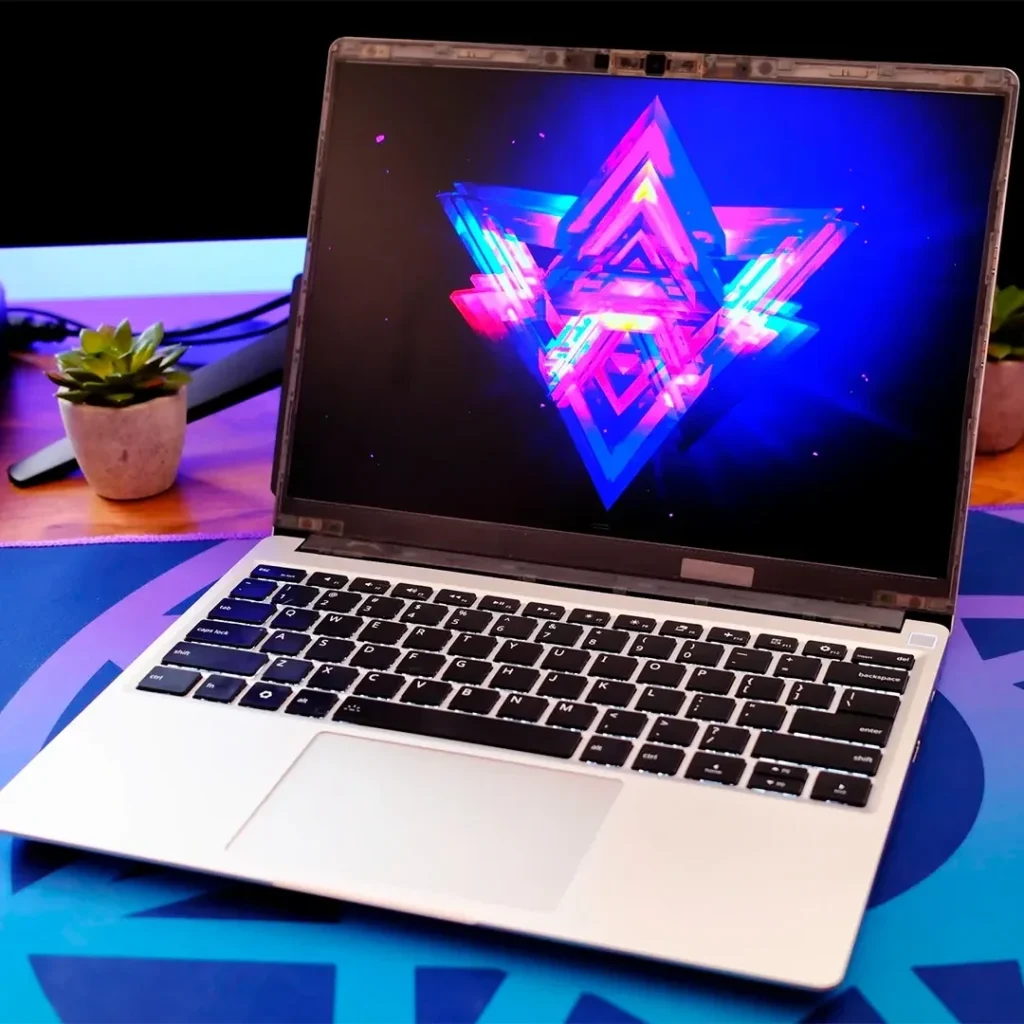
Laptops are an important part of Framework’s product portfolio, with different models catering to varying requirements. The company offers the Framework Laptop 13, Framework Laptop 13 Pro, Framework Laptop 16, and Framework Laptop 12. These devices provide options for students, professionals, developers, and everyday computer users. While smaller models are suitable for regular productivity and professional activities, the Laptop 16 offers additional capabilities for people who need more powerful hardware and graphics options. The Laptop 12 features a convertible touchscreen design, providing another choice for users who prefer flexible device functionality. This product range allows customers to explore computing options based on their individual needs.
Discovering Modular Features And Upgrade Options
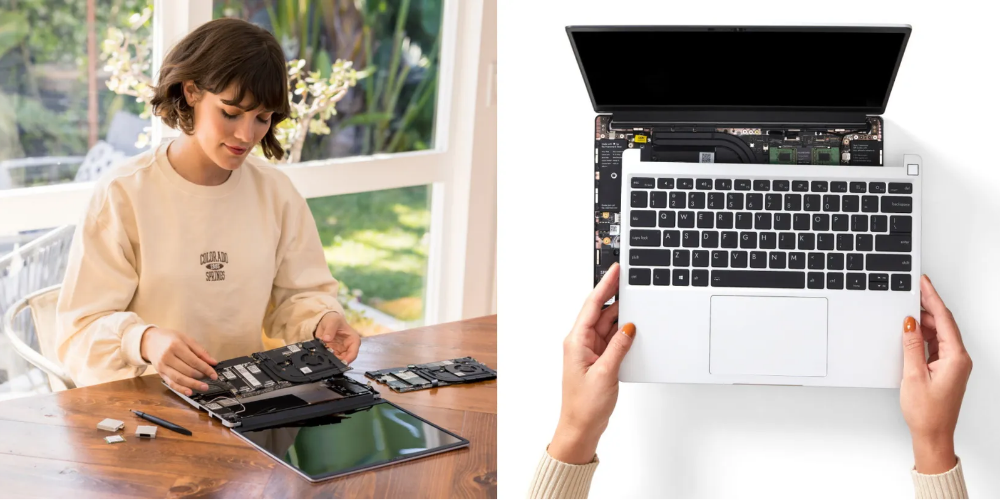
Modularity is one of the most recognisable aspects of Framework’s product design. Its computers allow users to replace or upgrade selected components rather than depending entirely on permanently integrated hardware. Depending on the model, customers can access replaceable keyboards, batteries, storage drives, displays, and other internal components. The company’s expansion card system also provides different connectivity options, including USB-A, USB-C, and HDMI. Users can arrange supported ports according to their requirements and change them when necessary. This flexibility can be particularly useful for people whose computing needs change over time. It also makes hardware maintenance a more practical part of owning a computer.
Building A More Accessible Repair Experience
Repairability plays an important role in Framework’s approach to consumer electronics. The company provides replacement components, technical documentation, and repair guides to help customers understand how their devices work. Its Marketplace offers access to selected hardware parts, allowing users to find components for maintenance, upgrades, and custom projects. Framework also includes a screwdriver with its laptops, supporting its goal of making basic repairs more approachable. Customers who have some technical knowledge may appreciate the ability to handle certain maintenance tasks independently. However, more complicated hardware work can still require professional assistance. Overall, the company’s repair-focused approach encourages users to understand and maintain the technology they own.
Understanding Performance Across Different Computing Needs
Modern computers must support a variety of activities, from basic browsing and office work to programming, creative projects, and demanding applications. Framework addresses these requirements through different hardware configurations and product categories. Its laptops offer processor options from established manufacturers such as Intel and AMD, depending on the model and configuration. Users can select specifications according to their workloads, storage requirements, and performance expectations. The Framework Laptop 16 also offers graphics options for users who need additional visual processing capabilities. For desktop computing, Framework provides a dedicated product category with configurable hardware. These choices help customers identify devices that match their personal or professional computing activities.
Supporting Sustainability Through Responsible Product Design
Electronic waste is an important environmental concern as consumers frequently replace devices when repairs become difficult or expensive. Framework’s product philosophy aims to address this issue by encouraging longer hardware lifecycles. Replaceable components allow customers to maintain computers for longer periods, potentially reducing the need for complete device replacements. The company also highlights the use of recycled materials in selected product components and provides refurbished hardware options. Its approach demonstrates how manufacturers can consider repairability and material choices while developing modern electronics. Although no single company can eliminate electronic waste, Framework’s emphasis on reusable components and maintainable products contributes to wider conversations about responsible technology consumption.
Conclusion
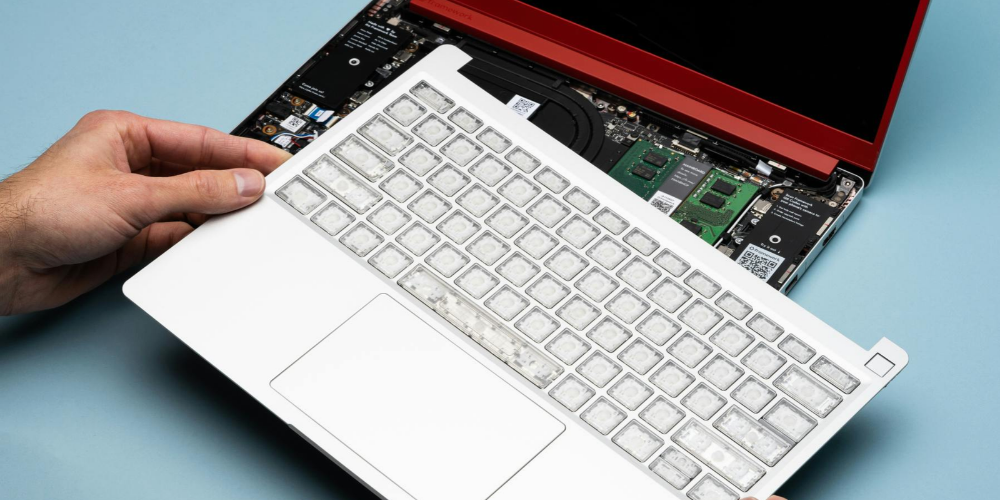
Framework represents a different direction in the personal computing industry by placing flexibility, repairability, and user control at the centre of its product philosophy. Its laptops and desktop computers provide options for different users, while modular components make selected upgrades and repairs more accessible. The company’s Marketplace, technical resources, and replacement parts further support its commitment to long-term device ownership. Its approach may particularly interest technology enthusiasts, professionals, students, and consumers who prefer maintaining their electronics instead of replacing them frequently. As sustainability and hardware longevity become increasingly important considerations, Framework offers an interesting example of how technology companies can rethink traditional computer design.