




Sports training has changed significantly as technology has become part of everyday practice. Rapsodo is one brand contributing to this shift by developing tools that help athletes, coaches, and sports organizations understand performance through measurable information. Instead of depending entirely on observation, modern training can combine coaching knowledge with data collected during practice. This approach can make it easier to identify patterns, monitor progress, and create more focused training routines. Rapsodo is particularly associated with performance technology across sports such as baseball, softball, and golf. Its broader role in sports technology reflects a growing interest in using accurate measurements to support athletic development. For players who value structured practice, performance data can provide useful context for understanding their strengths and areas for improvement.
Technology Is Changing Athletic Training
Technology has become an increasingly important part of athletic preparation. Video analysis, wearable devices, tracking systems, and performance sensors allow athletes to examine aspects of their game that may not be obvious during ordinary practice. Rapsodo operates within this technology-driven environment by providing performance information that can complement traditional coaching methods. Data can help players understand how consistently they perform and whether adjustments are producing meaningful changes. Coaches can also use measurements when creating training programs tailored to individual athletes. The purpose is not to remove the human element from sports but to add another layer of understanding. When technology and coaching are used together, athletes can approach training with clearer objectives and a stronger awareness of their development.
Turning Performance Into Useful Information
One of the most important advantages of sports technology is its ability to convert activity into understandable information. During a training session, an athlete may perform dozens or hundreds of movements, hits, throws, or shots. Without measurement, many details can be difficult to remember or compare later. Performance technology can organize selected aspects of those sessions into data that athletes and coaches can review. Rapsodo is designed around this concept, helping users examine performance characteristics and identify trends. Such information can support more focused discussions about technique and consistency. Rather than making assumptions about what happened during practice, players can use measurable results as a starting point for further analysis. This can make training more intentional and easier to evaluate over time.
Supporting Coaches With Better Training Insights
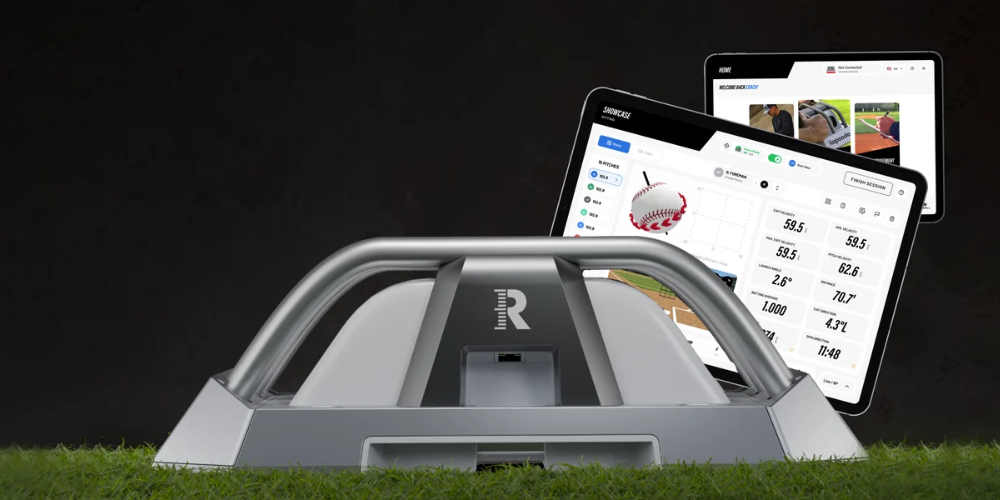
Coaches play a central role in helping athletes develop, and technology can provide additional information for their decisions. Performance measurements can help coaches identify differences between athletes, recognize changes in consistency, and evaluate whether particular adjustments are producing useful results. Rapsodo can therefore fit into coaching environments where objective information is valued alongside experience and observation. This may be particularly helpful when working with multiple players who have different strengths and development goals. Data can give coaches another way to explain technical concepts and create measurable targets for practice. However, numbers alone cannot describe every part of an athlete’s performance. Good coaching remains essential because measurements need to be interpreted within the context of technique, physical ability, competition, and individual development.
Making Practice More Focused And Organized
Structured practice can help athletes use their training time more effectively. Instead of repeating drills without a clear objective, players can establish specific areas they want to improve and use performance information to monitor changes. Rapsodo technology can support this type of approach by giving athletes measurable feedback during training. Over multiple sessions, collected information may help reveal whether a particular adjustment is becoming more consistent. This can also encourage athletes to take greater ownership of their development. Setting goals, reviewing results, and making gradual changes creates a continuous learning process. The technology itself does not guarantee improvement, but it can provide information that makes practice more purposeful. Ultimately, athletes still need patience, discipline, and quality coaching to turn information into lasting progress.
Data Helps Athletes Track Long Term Progress
Progress in sports is rarely achieved through one training session. Improvement usually develops through repeated practice, adjustments, recovery, and experience. Tracking performance over time can therefore be more useful than focusing on a single result. Technology such as Rapsodo can help athletes create a clearer picture of their development by providing measurable information that can be reviewed across sessions. This may help players recognize gradual improvements that are not immediately visible. Long-term tracking can also highlight areas where progress has slowed, giving coaches and athletes an opportunity to reconsider their training approach. The value of this information increases when it is recorded consistently and interpreted carefully. Used responsibly, performance data can become part of a broader system for setting goals and evaluating athletic development.
The Growing Role Of Sports Technology
The sports industry continues to embrace technology as athletes search for more effective ways to train and compete. Advanced equipment, digital platforms, analytics, and tracking systems are becoming increasingly common across professional, collegiate, amateur, and youth environments. Rapsodo represents one part of this broader movement toward measurable performance. As technology develops, athletes may gain access to increasingly detailed information about their training and results. At the same time, there is a growing need to use data intelligently rather than becoming overwhelmed by numbers. The most effective systems are those that provide information athletes can understand and apply. By combining technology with coaching expertise, sports organizations can create training environments that are more organized, measurable, and responsive to individual needs.
Conclusion: Data And Coaching Work Together

Rapsodo reflects the growing connection between sports and technology, offering a data-focused approach to athletic training and performance analysis. Its role is not to replace coaches or traditional practice but to provide additional information that can support better decisions. Athletes can use measurable feedback to understand performance patterns, monitor development, and make training more purposeful. Coaches can use the information to complement their experience and create more individualized development strategies. Like any technology, its effectiveness depends on how thoughtfully it is used. Data becomes most valuable when it is connected to clear goals, consistent practice, and knowledgeable guidance. As sports continue to evolve, tools such as Rapsodo demonstrate how technology can contribute to a more informed and structured approach to athletic development.