


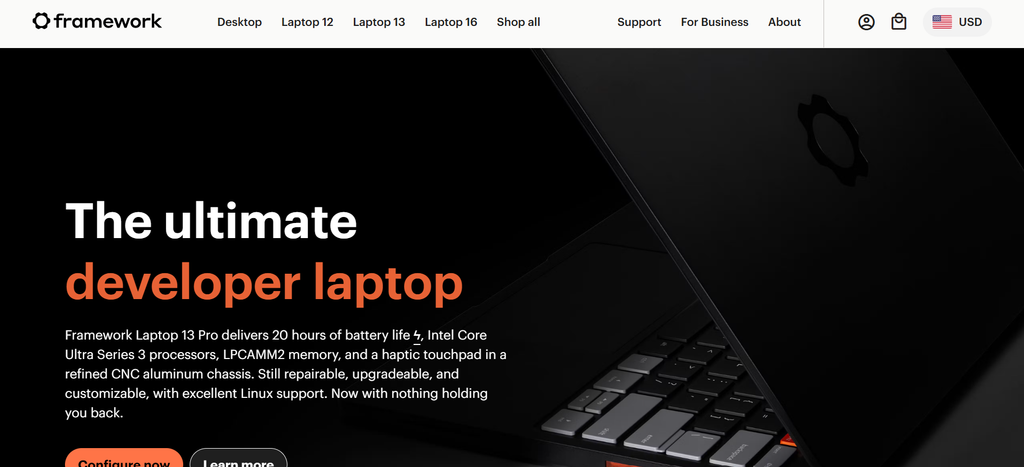
In a technology market where laptops and computers are frequently replaced rather than repaired, Framework is introducing a different approach to personal computing. The brand focuses on building devices that are easier to upgrade, maintain, and customise. Instead of encouraging customers to purchase an entirely new machine whenever a component becomes outdated, Framework gives users more control over their hardware. Its product philosophy revolves around modularity, repairability, and long-term usability. This approach makes the brand particularly interesting for technology enthusiasts, professionals, students, and environmentally conscious consumers looking for more flexibility in their computing experience.
Product Range Supports Different Computing Needs
Framework offers several products designed for different computing requirements. Its lineup includes the Framework Laptop 13, Framework Laptop 13 Pro, Framework Laptop 16, Framework Laptop 12, and Framework Desktop. The smaller laptops are suitable for everyday productivity, browsing, studying, and professional tasks, while the Laptop 16 targets users who need additional graphics capabilities. The Laptop 12 introduces a convertible design with touchscreen and stylus support. Meanwhile, Framework Desktop provides a compact workstation option for demanding workloads. This variety allows customers to explore different configurations without moving away from the brand’s modular philosophy. Framework+1
Modular Design Makes Repairs More Accessible
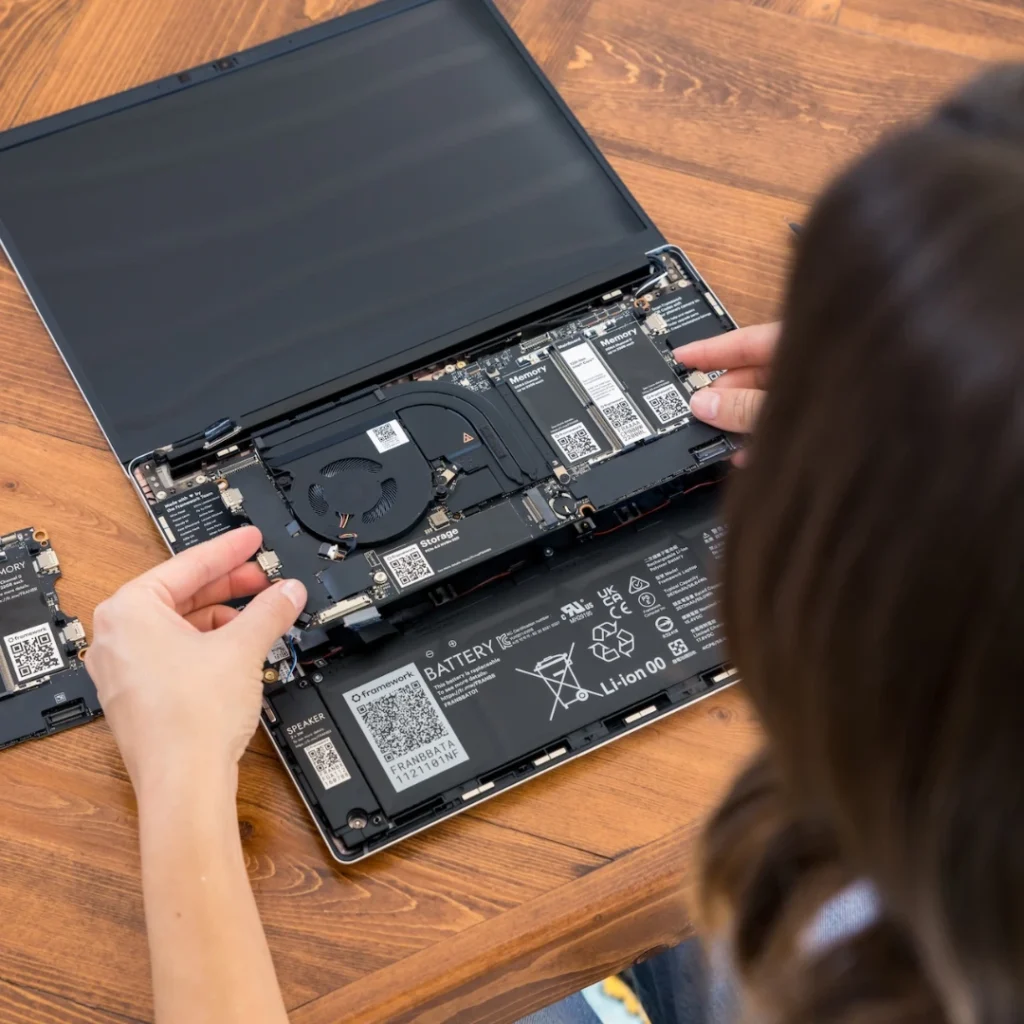
One of Framework’s strongest features is its modular construction. Unlike many conventional laptops that use permanently integrated components, Framework devices are designed to make several important parts accessible for replacement. Users can change components such as batteries, keyboards, storage drives, screens, and expansion cards, depending on the model. This approach can help extend a computer’s useful life because a damaged or outdated component does not necessarily require replacing the entire machine. Framework also provides repair guides and hardware documentation, making maintenance easier to understand. These features are especially appealing to people who prefer maintaining their devices rather than frequently purchasing new ones. The brand also provides a dedicated Marketplace where customers can purchase replacement components and additional modules. Its DIY Editions allow buyers to select certain hardware components and operating systems according to their preferences. Framework includes a screwdriver with its computers, supporting its goal of making repairs more accessible. However, users should still have basic technical knowledge and follow the recommended instructions before attempting hardware changes. People unfamiliar with computer components may prefer professional assistance for complicated upgrades. Overall, the combination of accessible parts, documentation, and replacement options makes Framework an interesting choice for consumers who value ownership and control.
Performance Meets Everyday And Professional Demands
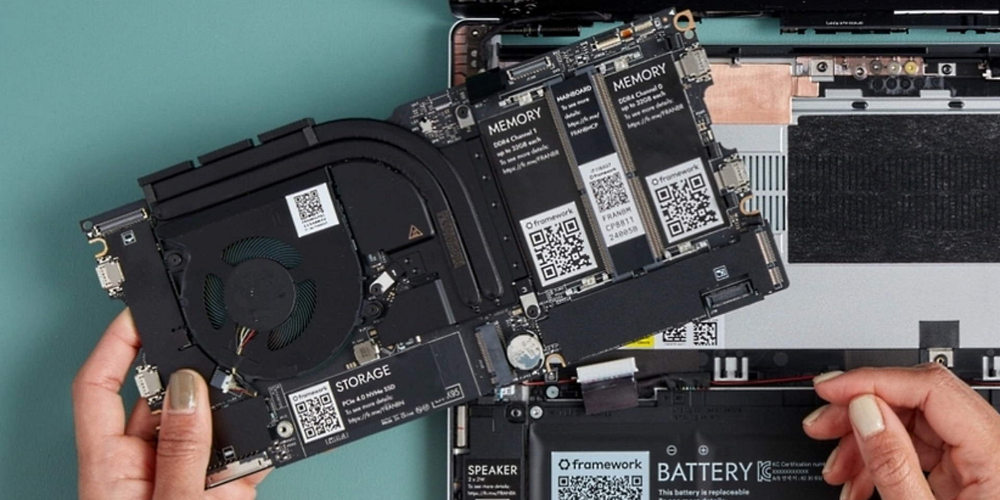
Framework does not focus exclusively on repairability; performance is another important part of its product strategy. Its laptops feature modern Intel and AMD processors, depending on the model and configuration. The available hardware options are designed to support activities such as multitasking, office applications, programming, content creation, and general productivity. The Framework Laptop 16 also offers dedicated graphics options for users who need additional visual processing capabilities. Its desktop range targets more demanding computing requirements, including gaming and local AI workloads. Customers can therefore select a configuration based on their intended usage rather than treating every Framework device as a basic productivity computer. Framework+1
Customization Offers Practical Long-Term Flexibility
Customization is another reason Framework stands apart from several traditional computer manufacturers. Its expansion card system allows users to choose different connectivity options, including USB-C, USB-A, HDMI, and other supported modules. This makes it easier to arrange ports according to individual requirements instead of depending entirely on a fixed selection. The Laptop 16 takes customization further through its interchangeable input modules and upgradeable graphics system. Users who enjoy experimenting with hardware may appreciate these possibilities. The brand also provides operating system choices, including Windows and Linux configurations. Such flexibility makes Framework particularly appealing to developers, technology enthusiasts, and people who want greater control over their computing environment.
Sustainability Is Built Into Product Design
Framework connects its modular approach with a broader commitment to reducing electronic waste. Many electronic products become difficult to maintain when individual components fail or software requirements increase. By making important hardware components replaceable, the company aims to encourage longer product lifecycles. It also uses recycled materials in different parts of its devices and offers refurbished products to support reuse. Another interesting initiative involves repurposing certain computer components for alternative projects. These efforts demonstrate how repairability and responsible product design can work together. For environmentally conscious customers, Framework offers an alternative to the conventional replacement-focused approach followed by much of the electronics industry.
What Buyers Should Consider Before Purchasing
Despite its advantages, Framework may not be the perfect option for every computer buyer. Its modular design and replacement components can make the purchasing experience different from choosing a conventional laptop. Customers should carefully compare configurations, hardware requirements, and overall costs before placing an order. DIY Editions may require additional technical involvement, while pre-built versions offer a more straightforward starting point. Another consideration is product availability, shipping, and access to replacement parts in different countries. Buyers should also check regional warranty conditions and support arrangements. For people who rarely upgrade hardware, a conventional laptop with similar specifications might offer better immediate value.
Conclusion: Is Framework Worth Considering Today

Framework presents an interesting alternative for customers who want more control over their computers. Its emphasis on modular construction, accessible repairs, hardware customization, and component upgrades gives the brand a distinctive position in the technology market. The range includes options for students, professionals, developers, and users with demanding computing requirements. However, buyers should evaluate pricing, regional availability, and their comfort with hardware maintenance before making a decision. Framework is particularly worth considering for people who value long-term usability over frequent replacements. Overall, the brand demonstrates that modern computing devices can combine capable performance with greater flexibility, repairability, and user ownership.