

SplashLearn is an educational platform designed to help children develop essential academic skills through interactive lessons, games, and structured practice. It primarily focuses on mathematics and English language arts, providing learning resources for preschool and elementary school students. The platform combines educational concepts with colourful visuals and engaging activities to make studying more enjoyable. Children can practise important skills at their own pace while becoming familiar with topics introduced in school. Parents and teachers can also use its resources to support learning beyond traditional classroom instruction. By bringing together entertainment and education, SplashLearn aims to create a learning environment that encourages curiosity, participation, and confidence among young learners.
Mathematics and Language Skills Through Practice
Developing strong foundations in mathematics and language can help children succeed in their academic journeys. SplashLearn offers activities covering various concepts, including counting, number recognition, addition, subtraction, multiplication, and problem-solving. Its English language resources include phonics, vocabulary, grammar, reading comprehension, and other foundational skills. Activities are organised around different learning levels, helping families identify exercises that suit a child’s educational stage. Repeated practice can make unfamiliar concepts easier to understand while allowing children to strengthen existing knowledge. The variety of available exercises also provides opportunities to revisit challenging topics. When combined with classroom instruction and regular guidance, these resources can support children’s gradual development of essential academic abilities.
Interactive Games That Encourage Active Learning
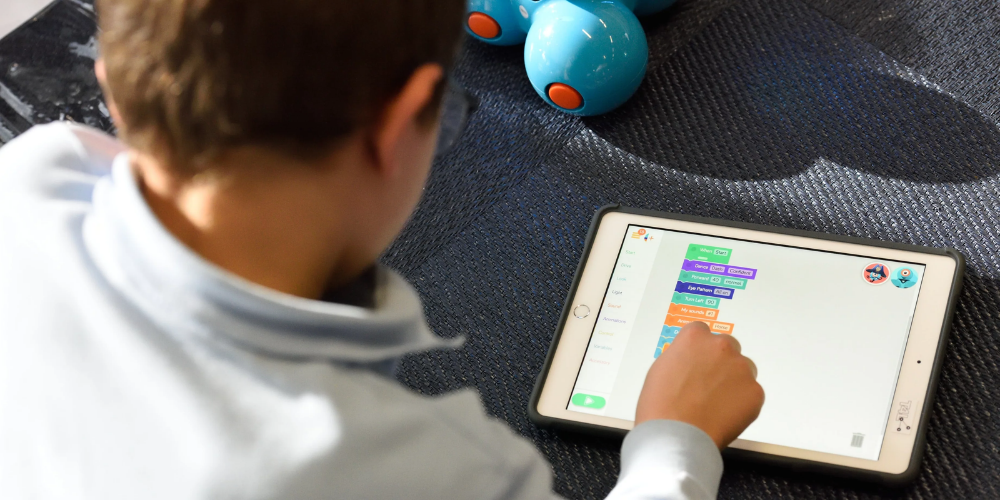
SplashLearn incorporates game-based activities to make educational practice more engaging for children. Learners can answer questions, solve problems, complete challenges, and receive rewards as they progress through selected exercises. Colourful illustrations, animations, and playful designs help create an inviting digital environment. These features may encourage children who find traditional worksheets repetitive to participate more enthusiastically in their studies. Interactive learning can also provide opportunities to practise concepts immediately after encountering them. However, educational games are most effective when they focus on meaningful learning objectives rather than entertainment alone. Parents and educators can strengthen the experience by discussing answers, explaining mistakes, and connecting digital activities with everyday examples that children can understand.
Personalised Activities for Different Learning Needs
Children have different strengths, interests, and learning speeds, making flexibility an important part of educational development. SplashLearn provides activities organised by grade and skill level, helping children practise concepts appropriate to their current abilities. Depending on the available features, learning pathways and performance-based activities can help guide learners towards suitable exercises. Children who struggle with a particular topic can benefit from additional practice, while those who understand it quickly can explore other concepts. This approach may help make learning feel more manageable and encourage independent participation. Nevertheless, digital activities cannot identify every learning difficulty or replace individual attention. Parents and teachers should observe children’s progress and provide additional explanations whenever a concept remains unclear.
Progress Tracking for Parents and Educators
Understanding a child’s progress helps parents and teachers make informed decisions about learning activities. SplashLearn offers progress-related features that can provide information about completed exercises, performance, and areas that may need further attention, depending on the account and tools available. Parents can use these insights to identify subjects where additional practice could be beneficial. Teachers may also incorporate selected activities into classroom routines or recommend them for revision at home. Discussing progress with children can help them recognise their achievements and understand that mistakes are part of learning. However, digital scores should not be the only measure of academic development. Conversations, practical exercises, observation, and feedback remain important for assessing a child’s understanding.
Accessibility and Convenience for Everyday Education
SplashLearn offers a digital learning experience that families can incorporate into regular study routines. Children can use suitable activities at home or in educational settings through supported devices, subject to account access and technical requirements. Its child-friendly presentation is intended to make educational content approachable, although younger children may need assistance when navigating activities or reading instructions. Families should consider internet availability, subscription options, and the features included in their chosen plan before making a decision. Screen time also deserves attention, particularly for children who already use digital devices frequently. Short, supervised sessions can help maintain a healthy balance between online education, physical activity, reading, creative play, and meaningful interaction with family members.
Benefits and Limitations of Digital Learning
SplashLearn can provide valuable supplementary practice for children who need additional support with mathematics and English language arts. Its interactive activities may encourage regular participation, while structured exercises can reinforce concepts introduced in school. The platform’s progress-related features can also help adults identify topics that deserve attention. However, digital learning has limitations. It cannot fully replace teacher explanations, classroom discussions, collaborative activities, handwriting practice, or hands-on experiences. Subscription costs and access to particular features may also influence whether the platform suits a family’s needs. Children may sometimes focus more on rewards than on understanding the material. For the best results, parents should choose relevant activities, monitor progress, and combine digital practice with other educational experiences.
Conclusion

SplashLearn offers an engaging way for children to practise foundational academic skills through interactive games, structured exercises, and digital learning resources. Its focus on mathematics and English language arts makes it particularly relevant for younger students developing essential abilities. The platform can help reinforce classroom lessons, encourage consistent practice, and introduce variety into everyday study routines. Its effectiveness depends on how thoughtfully it is used alongside other learning methods. Parental involvement, teacher guidance, balanced screen time, and practical activities remain important for children’s overall development. For families seeking additional educational resources, SplashLearn is worth considering as a supplementary learning tool that can complement traditional teaching and help make selected academic activities more enjoyable.