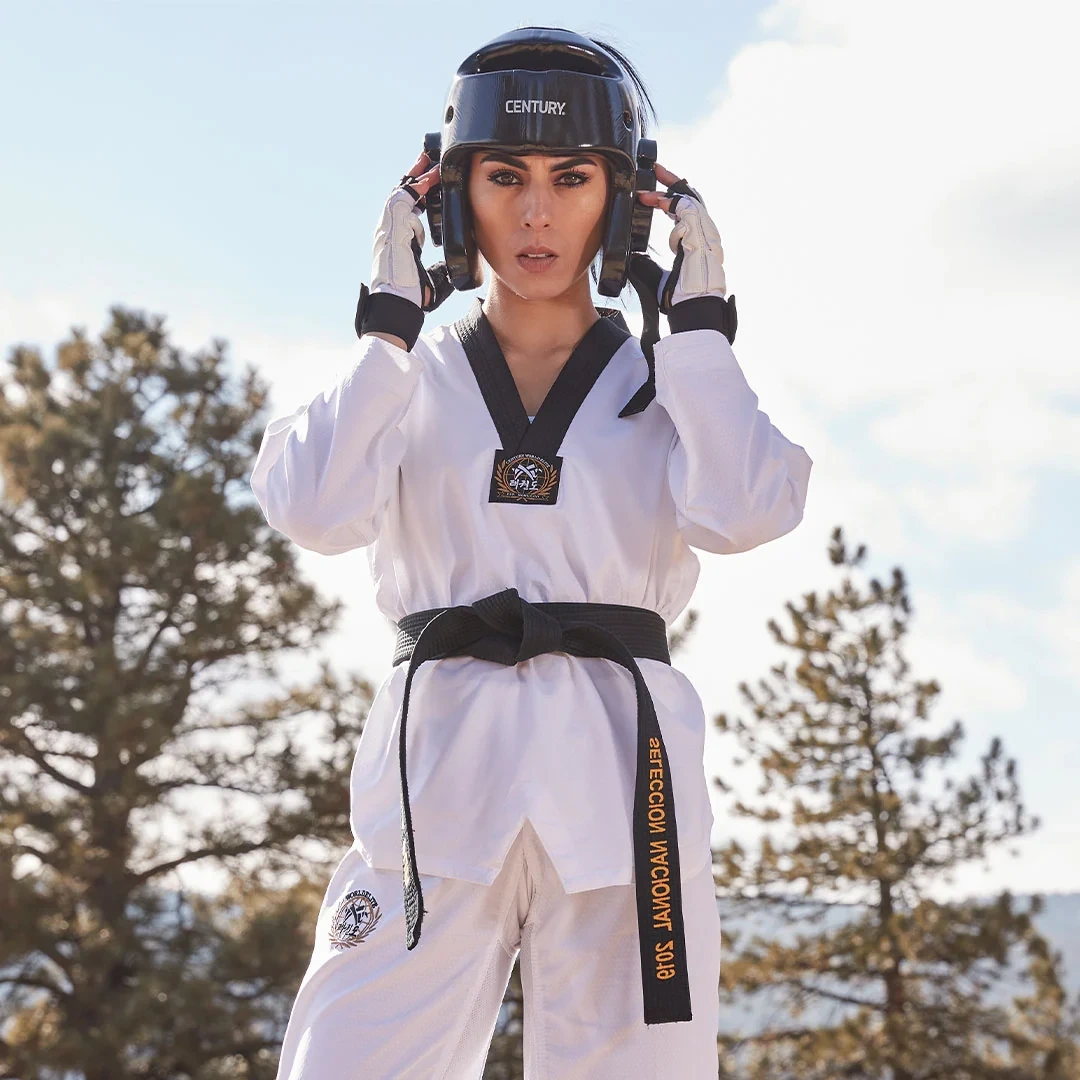




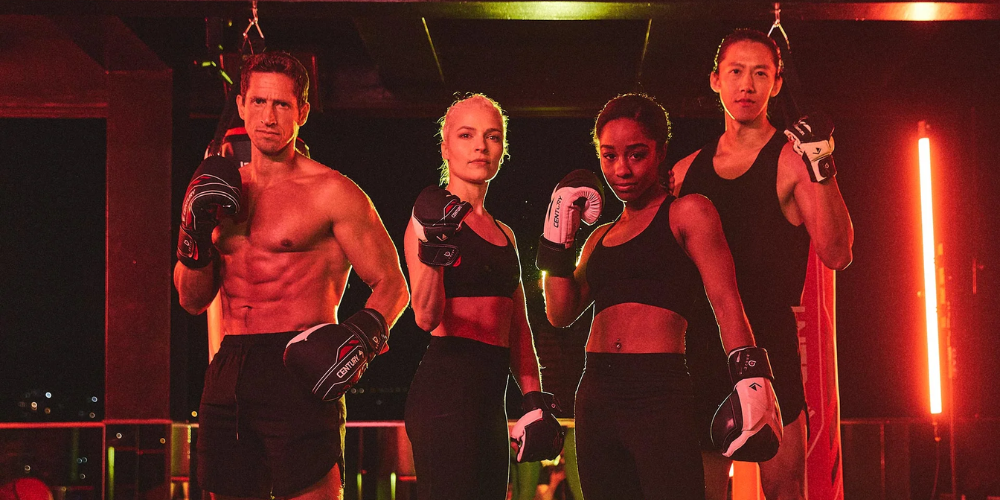
Martial arts is more than a physical activity; it combines discipline, confidence, fitness, and personal development. From traditional practices such as karate and taekwondo to modern combat sports like boxing and mixed martial arts, people participate in these activities for different reasons. Having access to suitable equipment, comfortable clothing, and reliable training accessories can make the overall experience more rewarding. Century Martial Arts is a brand associated with martial arts training products, offering equipment and accessories for individuals, instructors, and training facilities. Its product range reflects the diverse requirements of people who want to improve their skills, maintain fitness, and develop their abilities.
Understanding The Importance Of Martial Arts
Martial arts offers several physical and mental benefits that extend beyond learning self-defence techniques. Regular practice can improve flexibility, balance, coordination, strength, and cardiovascular endurance. It also encourages patience, concentration, discipline, and respect for others. Different martial arts styles provide different experiences, allowing individuals to choose activities according to their interests and fitness goals. Some prefer traditional disciplines that emphasise structured techniques and personal development, while others enjoy combat sports that involve intensive physical conditioning. Regardless of the chosen style, consistent practice, appropriate guidance, and suitable training equipment contribute to a productive and enjoyable learning experience.
Choosing Equipment For Different Training Styles
Every martial arts discipline requires specific equipment depending on its techniques and training methods. Karate practitioners may need uniforms, protective accessories, and striking targets, whereas boxing enthusiasts generally focus on gloves, punching bags, and hand wraps. Mixed martial arts training can involve a combination of striking equipment, grappling accessories, and protective gear. Century Martial Arts offers products across several training categories, helping practitioners explore equipment suited to their preferred activities. Selecting the right accessories involves considering experience, training frequency, comfort, and safety requirements. Understanding these differences helps individuals make practical decisions instead of purchasing equipment that may not suit their routines.
Building Strength Through Consistent Practice
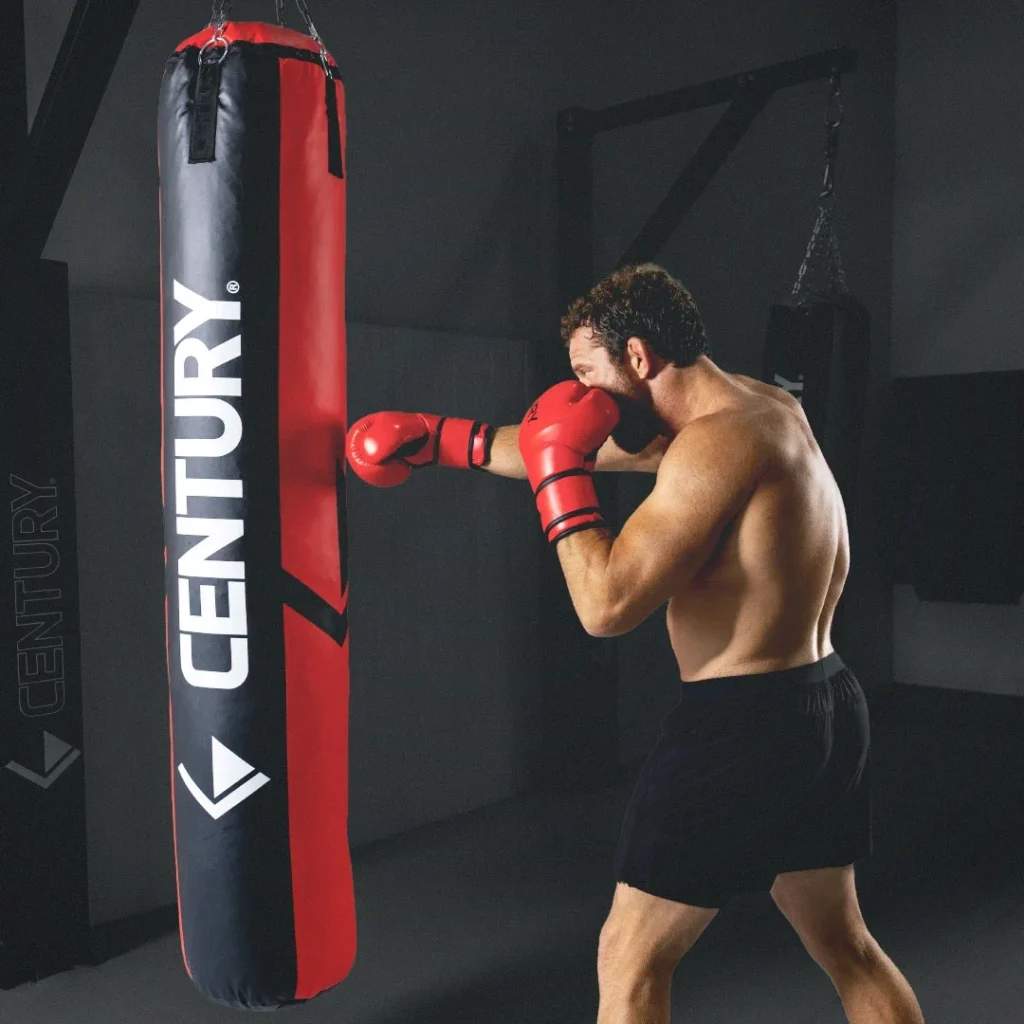
Physical conditioning is an essential part of martial arts training. Exercises involving punching bags, resistance movements, footwork drills, and bodyweight activities can help develop strength and endurance. Training accessories provide opportunities to practise specific movements while improving coordination and control. Punching bags, kick shields, and focus mitts are commonly used in sessions designed to improve striking accuracy and power. However, equipment alone cannot replace a structured training programme. Proper techniques, regular practice, sufficient recovery, and guidance from experienced instructors are equally important. Combining different exercises can help practitioners develop balanced fitness while gradually improving their overall performance.
Developing Confidence Through Self Defence Skills
Learning self-defence can help individuals become more aware of their surroundings and develop confidence in challenging situations. Martial arts introduces techniques involving movement, balance, defensive positioning, and controlled responses. Different disciplines approach self-defence in their own ways, making it important for learners to understand the principles behind their chosen style. Training should focus on awareness, discipline, and avoiding unnecessary confrontation rather than encouraging aggressive behaviour. Beginners can benefit from starting with fundamental movements before progressing towards advanced techniques. Practising under qualified supervision also helps learners understand their physical limitations and develop skills in a controlled environment.
Maintaining Safety During Regular Training Sessions
Safety should remain a priority throughout every martial arts session, whether training takes place at home, in a gym, or at a professional academy. Protective accessories such as gloves, shin guards, headgear, mouthguards, and body protectors can help reduce the risk of injuries during appropriate activities. The equipment required depends on the discipline and the intensity of practice. Proper sizing and comfortable fitting are particularly important because poorly fitted accessories may restrict movement or provide inadequate protection. Practitioners should also inspect their equipment regularly, maintain cleanliness, and replace damaged items. Following instructors’ safety guidelines helps create a more responsible training environment.
Creating A Suitable Personal Training Routine
Developing a consistent training routine makes it easier to track progress and maintain motivation. Individuals can begin by identifying their goals, whether they involve improving fitness, learning self-defence, developing technical skills, or preparing for competitions. A balanced routine may include warm-up exercises, technique practice, strength conditioning, flexibility work, and recovery periods. Beginners should avoid increasing training intensity too quickly and allow their bodies enough time to adapt. Having suitable equipment readily available can make practice more organised and convenient. Maintaining realistic expectations and monitoring improvements over time can encourage long-term participation and help practitioners build a sustainable relationship with martial arts.
Conclusion
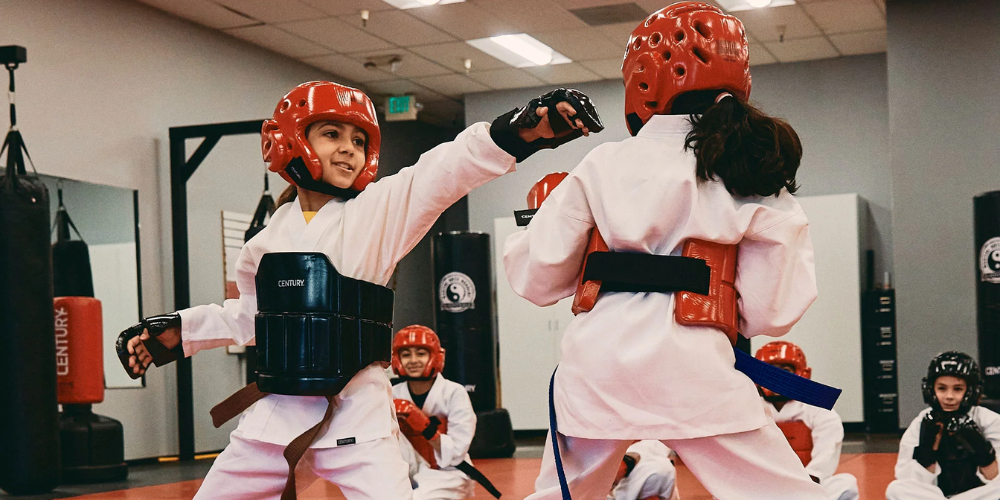
Martial arts provides an opportunity to develop physical fitness, mental discipline, confidence, and practical skills through consistent effort. From selecting suitable equipment to following a structured training routine, every aspect contributes to a better learning experience. Century Martial Arts represents a product-focused option for individuals exploring equipment, uniforms, and accessories across different martial arts disciplines. However, successful training depends on more than the products used. Proper instruction, responsible practice, safety awareness, and personal commitment remain essential. Whether someone is beginning their journey or continuing an established routine, choosing suitable training resources can support steady development and make martial arts a rewarding part of everyday life.