


Smart home technology is changing how people interact with their living spaces, making everyday activities more convenient and efficient. SwitchBot is a technology brand that focuses on simplifying home automation through accessible devices and connected solutions. Its products help users automate household tasks, manage appliances, monitor indoor conditions, and control selected devices remotely. Instead of requiring people to replace every traditional appliance, some SwitchBot products work with existing equipment, making smart technology more approachable. As interest in connected homes continues to grow, solutions like these demonstrate how small technological improvements can transform daily routines. Understanding smart home automation begins with exploring the tools available today.
Understanding the Basics of Smart Home Automation
Smart home automation involves using connected devices, sensors, software, and control systems to manage household activities with less manual effort. These systems can operate through mobile applications, voice commands, schedules, or automated triggers. For example, lights may switch on at a particular time, curtains may open in the morning, and temperature sensors may help users monitor indoor conditions. The main objective is to create a living environment that responds more effectively to individual needs. Smart home technology also allows users to control certain functions while away from home. However, the available features depend on the devices, network connections, and compatible platforms installed.
Exploring SwitchBot Devices for Everyday Convenience
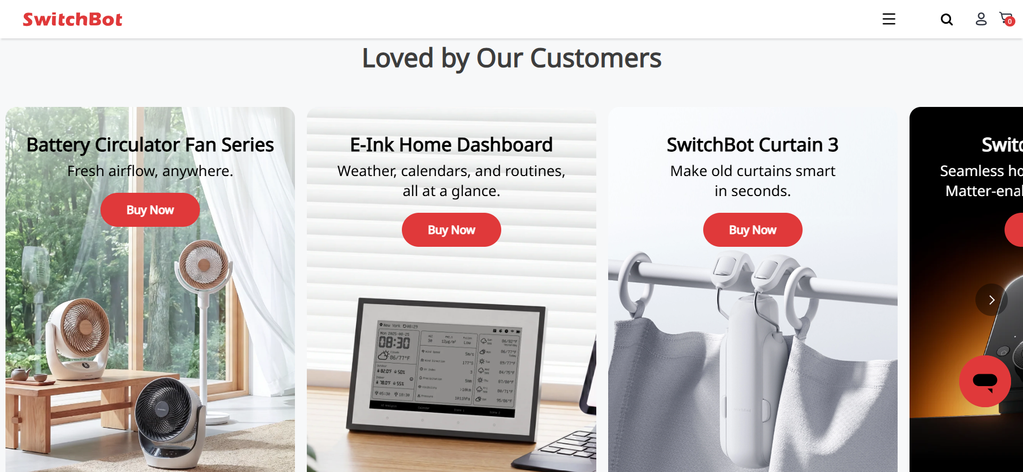
SwitchBot offers different products designed to support practical household automation. Its product range includes button-pushing devices, automated curtain systems, smart locks, sensors, temperature meters, cameras, and hubs. Each category addresses a different need, allowing users to choose solutions that suit their routines. For instance, a compatible button-pushing device can operate certain physical switches, while automated curtains can reduce the need for manual adjustments. Sensors can provide information about environmental conditions, and hubs may connect supported devices with other smart home systems. This variety makes it possible to develop a personalized setup gradually rather than investing in an extensive automation system immediately.
Improving Daily Routines Through Connected Technology
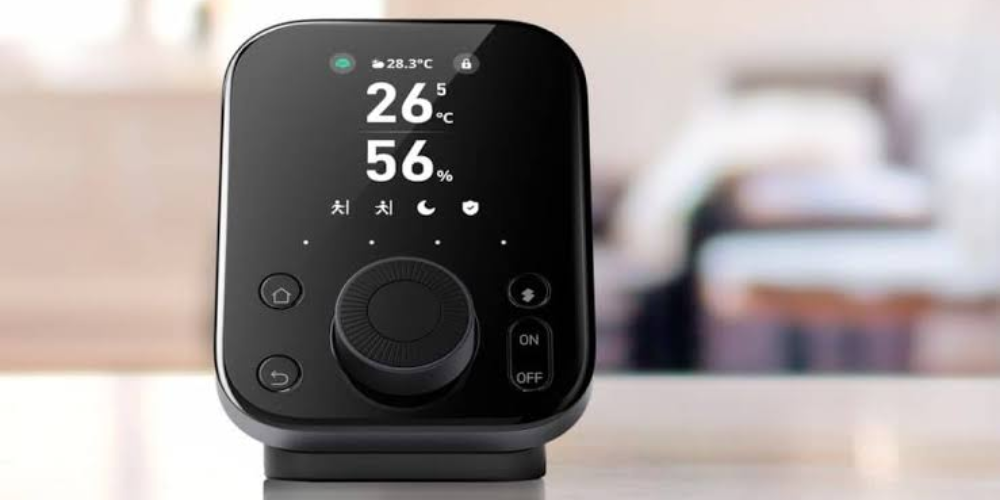
One of the biggest advantages of smart home technology is its ability to simplify repetitive tasks. Connected devices can help people establish routines that save time and reduce the number of manual actions required throughout the day. Automated curtains, scheduled appliance controls, and environmental monitoring are examples of how technology can support everyday activities. Some systems also allow remote access, enabling users to check or adjust compatible devices through their smartphones. These features may be useful for busy professionals, families, and individuals who prefer greater control over their surroundings. Nevertheless, automation works best when it addresses genuine household needs rather than adding unnecessary complexity.
Making Existing Homes Smarter Without Major Changes
Upgrading a home does not always require replacing traditional appliances or undertaking expensive renovations. Certain smart devices are designed to work with existing household equipment, offering a more flexible entry point into automation. This approach can be particularly helpful for renters and people living in established homes where permanent modifications may be difficult. SwitchBot’s product ecosystem includes solutions that can automate compatible physical controls and fixtures, depending on the model and installation requirements. Users can begin with one device and gradually expand their setup. Before purchasing, it is important to examine appliance compatibility, mounting requirements, connectivity, and whether additional accessories are necessary.
Exploring Energy Awareness and Indoor Comfort
Smart home devices can also help people understand their indoor environment and develop more informed household habits. Temperature and humidity monitors, for example, provide information that may help users recognize changes in room conditions. Depending on the connected equipment, automation systems can support schedules for lighting, curtains, and other compatible devices. These features may encourage more thoughtful energy use by helping people manage their surroundings according to their routines. However, smart devices do not automatically guarantee lower electricity bills or improved energy efficiency. Results depend on how products are used, the appliances involved, household behavior, and the overall design of the automation system.
Considering Security, Privacy, and Device Compatibility
As more household devices connect to the internet, security and privacy become important considerations. Users should create strong passwords, enable available security protections, install software updates, and review application permissions regularly. They should also understand what information connected devices collect and how their manufacturers handle that information. Compatibility deserves similar attention because not every smart device works with every voice assistant or home automation platform. Some features may require a compatible hub, a particular product model, or additional configuration. Checking official specifications before buying helps reduce setup problems. A reliable smart home depends not only on convenient features but also on informed purchasing and responsible device management.
Conclusion
Smart home automation is becoming an increasingly practical way to manage everyday household activities and create more comfortable living environments. SwitchBot illustrates how connected devices can help people automate selected tasks without necessarily replacing all their existing appliances. From curtain control and button automation to environmental monitoring, its product categories offer different opportunities to personalize a home. The most effective approach is to identify everyday challenges, choose compatible solutions, and expand the system gradually. Users should also consider installation, connectivity, privacy, and long-term costs before investing. With thoughtful planning, smart home technology can support greater convenience and control while keeping household automation practical, flexible, and aligned with individual needs.