


Chocolate has become an important part of food culture, connecting people through celebrations, traditions, gifts, and everyday moments of happiness. Among the many names in the confectionery industry, Lindt has earned recognition for its chocolate-making heritage, distinctive flavors, and wide selection of products. The brand combines traditional craftsmanship with modern production techniques to create chocolates for different tastes and occasions. From creamy milk chocolate to rich dark varieties and filled truffles, its offerings appeal to a broad audience. Understanding Lindt also provides an interesting look at how chocolate brands build customer loyalty through quality, innovation, presentation, and a consistent identity in a competitive global marketplace.
Understanding Chocolate’s Place in Modern Life
Chocolate is enjoyed across cultures and generations, making it one of the world’s most recognizable confectionery products. People purchase it for personal enjoyment, celebrations, holidays, and thoughtful gifts. Its popularity comes partly from its variety, as chocolate can be combined with nuts, caramel, fruit, cream, and numerous other ingredients. Brands also create different experiences through texture, sweetness, cocoa intensity, and presentation. Premium chocolate occupies a particular place in this market because consumers often associate it with craftsmanship and special occasions. As preferences continue to evolve, chocolate makers must balance familiar favorites with new ideas, offering products that suit changing tastes while maintaining the qualities customers already appreciate.
Exploring Lindt’s Rich Chocolate Heritage
Lindt is closely associated with Swiss chocolate-making traditions and has developed a recognizable identity in the international confectionery industry. Its history dates back to the nineteenth century, when chocolate production was undergoing significant changes in Europe. The brand became particularly associated with the development of techniques that helped produce smoother chocolate textures. Over time, Lindt expanded its reach and introduced products designed for different markets and consumer preferences. Its Swiss heritage remains an important part of its image, communicating experience and craftsmanship. The company illustrates how a long-established food brand can preserve its traditional identity while adapting its products, marketing, and distribution to a modern global audience.
Discovering Different Types of Chocolate Products

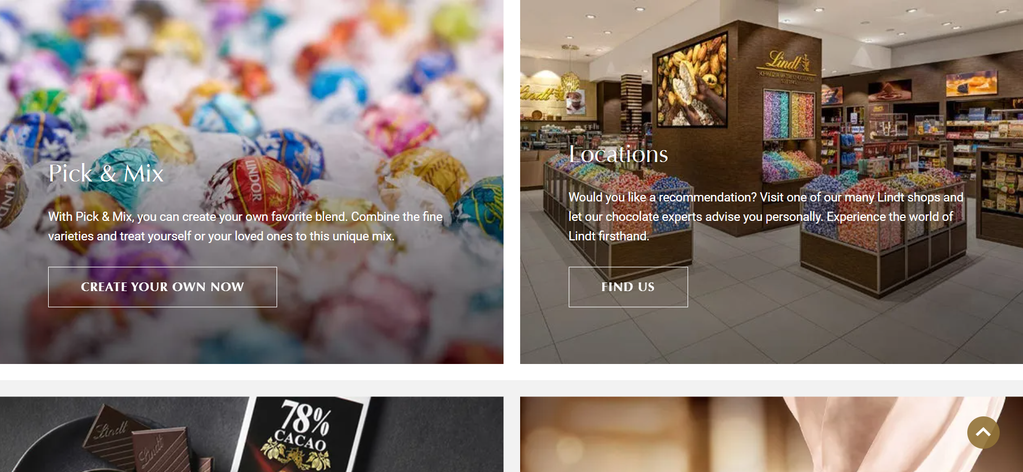
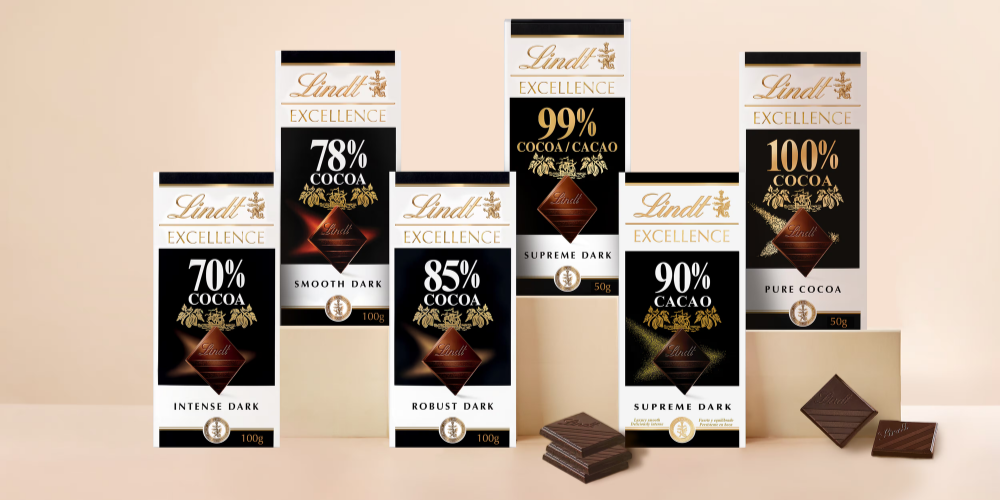
Chocolate brands attract diverse customers by offering products that suit different preferences, and Lindt provides several options within its range. Milk chocolate appeals to people who enjoy a creamy texture and sweeter flavor, while dark chocolate offers more pronounced cocoa notes. White chocolate provides another option for consumers who prefer a rich, sweet taste without the cocoa solids found in milk and dark chocolate. The brand also offers filled chocolates, pralines, truffles, and assorted collections. Products containing nuts, caramel, and other ingredients provide additional variety. This selection makes chocolate shopping more flexible, allowing customers to choose individual treats, shareable assortments, or gift-ready products according to their needs.
Examining Chocolate Quality and Flavor Development
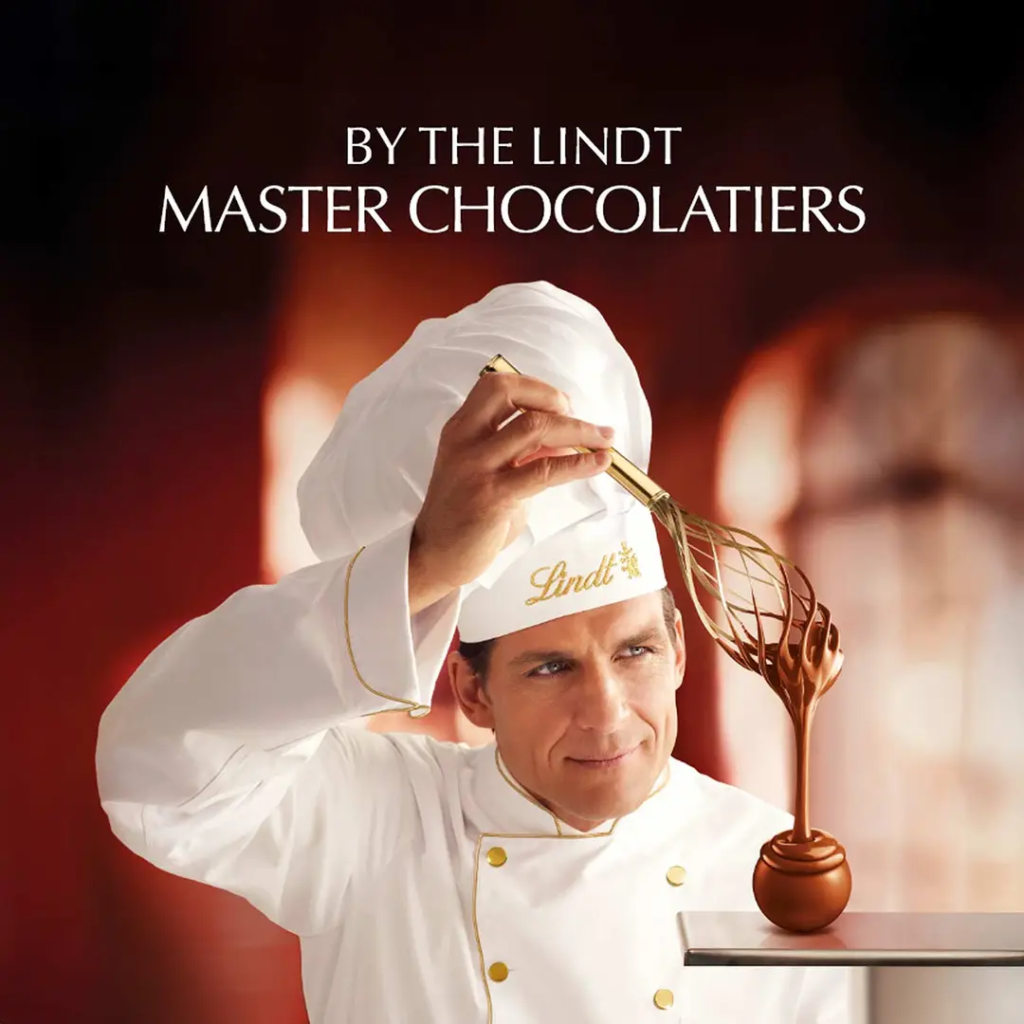
The experience of eating chocolate depends on several factors, including the ingredients, cocoa content, manufacturing methods, and storage conditions. A smooth texture, balanced sweetness, and pleasant aroma can influence how consumers evaluate a product. Chocolate makers carefully manage production processes to achieve the characteristics associated with their brands. Lindt is known for emphasizing smoothness and flavor, qualities that contribute to its identity in the premium chocolate segment. Different products can nevertheless produce different experiences, with some offering creamy sweetness and others emphasizing stronger cocoa flavors. Consumers can explore these differences by comparing varieties and cocoa percentages. Storing chocolate in a cool, dry place also helps preserve its flavor and texture.
Appreciating Chocolate Packaging and Thoughtful Gifting
Packaging influences how consumers perceive chocolate, particularly when products are purchased for birthdays, holidays, anniversaries, and other special occasions. Attractive wrapping, carefully arranged assortments, and convenient individual portions can make chocolates easier to present and share. Lindt offers products in different packaging formats, ranging from individual bars to decorative boxes and seasonal collections. These options allow shoppers to select something suitable for a personal treat or a formal gift. Seasonal designs also help confectionery brands remain relevant during important shopping periods. However, presentation is only one part of a successful gift. Choosing flavors that suit the recipient and considering dietary requirements can make the experience more thoughtful and enjoyable.
Understanding Chocolate Trends and Consumer Preferences
Consumer expectations in the chocolate industry continue to change as people explore new flavors, compare ingredients, and consider how products fit their lifestyles. Some shoppers prefer high-cocoa dark chocolate, while others look for creamy fillings, unusual combinations, or smaller portions. Seasonal releases and limited-edition flavors can also encourage consumers to try something different. At the same time, ingredient transparency and clear allergen information remain important purchasing considerations. Established brands must respond to these interests without losing the characteristics that make their products recognizable. Lindt operates within this evolving environment, where traditional recipes and familiar products coexist with changing expectations. The wider industry demonstrates how innovation and customer feedback can influence product development.
Conclusion
Chocolate continues to bring enjoyment to everyday routines and special occasions, while established brands contribute to its evolving place in food culture. Lindt demonstrates how heritage, product variety, manufacturing expertise, and presentation can work together to create a recognizable identity. Its selection includes different chocolate styles, filled treats, and gift collections, offering choices for a range of preferences. More broadly, the chocolate industry shows the importance of understanding flavor, quality, packaging, and customer expectations. Consumers can make better purchasing decisions by comparing ingredients, prices, and product types before choosing their favorites. Whether enjoyed individually or shared with others, chocolate remains a versatile treat that connects taste, tradition, and memorable experiences.