

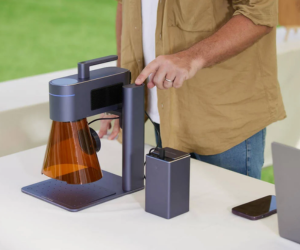

LaserPecker represents the growing interest in compact laser engraving technology among creators, makers, entrepreneurs, and hobbyists. As digital fabrication becomes more accessible, people are looking for equipment that can help transform ordinary objects into personalized and creative products. Laser engraving allows users to add names, illustrations, patterns, logos, and decorative details to suitable materials with impressive precision. LaserPecker focuses on making this type of technology more approachable through compact machines and user-oriented features. Its product ecosystem is designed around creative flexibility, making it relevant for personal projects as well as selected commercial applications. The brand also reflects how modern fabrication tools are becoming easier to incorporate into smaller creative workspaces.
Understanding The Growth Of Laser Engraving
Laser engraving has evolved considerably from equipment traditionally associated with large industrial facilities. Today, compact machines allow individuals and smaller businesses to explore engraving without requiring an extensive manufacturing environment. This development has created opportunities across crafts, personalization, gifts, signage, accessories, and decorative products. Digital designs can be prepared and transferred to compatible materials, allowing creators to reproduce detailed artwork with consistency. The technology can also encourage experimentation because users can test different patterns, typography, and layouts on suitable surfaces. As interest in customized products continues to grow, laser engraving has become an increasingly useful creative process. Compact equipment is particularly attractive to people who want fabrication capabilities without dedicating an entire workshop to machinery.
Exploring LaserPecker Product Possibilities And Features
LaserPecker offers a range of laser engraving solutions aimed at different creative requirements. Depending on the particular model, users may find differences in laser power, engraving areas, portability, supported materials, accessories, and additional functions. Some machines emphasize convenience and compactness, while others are designed to provide broader capabilities for more demanding projects. This variety allows potential users to consider equipment according to their intended applications instead of choosing a single universal machine. Product specifications are important because engraving requirements can differ substantially between materials and projects. Before purchasing, users should examine technical details, compatible surfaces, working dimensions, safety features, and available accessories. Understanding these differences can help creators select equipment that better matches their expectations.
Materials Open New Creative Opportunities
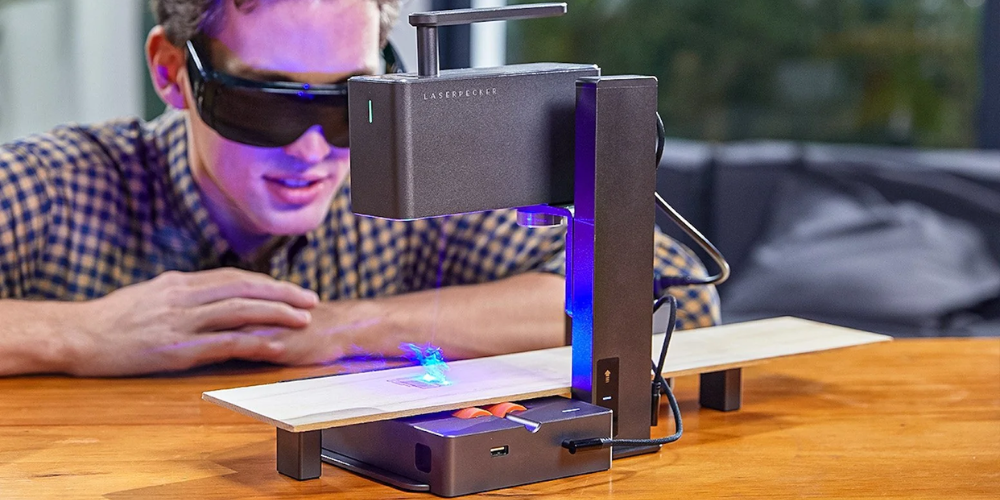
One of the most interesting aspects of laser engraving is the range of creative possibilities offered by different materials. Depending on the machine and its specifications, creators may work with materials such as wood, leather, paper, acrylic, coated surfaces, and certain metals. Each material behaves differently when exposed to a laser, meaning users need to understand suitable settings and preparation methods. Personalized gifts, decorative signs, artwork, product labels, ornaments, and accessories are among the many possible applications. Experimentation can also help users discover new project ideas and develop their own creative styles. However, material compatibility should always be confirmed before beginning a project. Choosing appropriate materials and settings is essential for achieving cleaner results while maintaining a safe working environment.
Laser Engraving Supports Small Business Ideas
Compact engraving equipment can be particularly interesting for entrepreneurs developing customized products. Personalized merchandise continues to appeal to customers because names, messages, graphics, and unique designs can make ordinary items feel more distinctive. A small business could potentially use laser engraving for gifts, promotional products, decorative items, accessories, packaging elements, or customized merchandise. The technology may also support small production batches without requiring extensive manufacturing infrastructure. However, business owners should consider more than the initial equipment cost. Materials, maintenance, ventilation, accessories, electricity, packaging, design time, and production speed can all influence profitability. Understanding customer demand is equally important. A clear product concept and consistent quality can help turn engraving capabilities into a practical creative business opportunity.
Learning Digital Design And Machine Operation
Using a laser engraver involves more than simply placing an object inside a machine and pressing a button. Creators often need to prepare artwork, understand positioning, adjust engraving settings, and consider how different materials respond to laser energy. Software plays an important role because digital files need to be prepared correctly before production. Beginners can gradually develop confidence by starting with simple text, shapes, and uncomplicated designs before moving toward detailed artwork. Testing is also valuable because small adjustments to speed, power, focus, and placement can affect the final result. Over time, users can develop a better understanding of their equipment and materials. This learning process can become part of the creative experience rather than an obstacle.
Creating A Safe And Suitable Workspace
Safety should remain an essential consideration whenever laser equipment is used. A suitable workspace should provide appropriate ventilation, stable positioning, sufficient room around the machine, and protection against unintended exposure to laser energy. Users should follow the safety instructions provided for their specific equipment and understand which materials are appropriate for engraving. Some materials can release harmful fumes or particles when processed, making material selection particularly important. Keeping the workspace clean can also reduce the likelihood of unwanted residue affecting future projects. Beginners should become familiar with operating procedures before attempting complex work or extended production sessions. Treating safety as part of the creative process helps users enjoy laser engraving while maintaining a responsible working environment.
Conclusion: Exploring The Future Of Creative Engraving
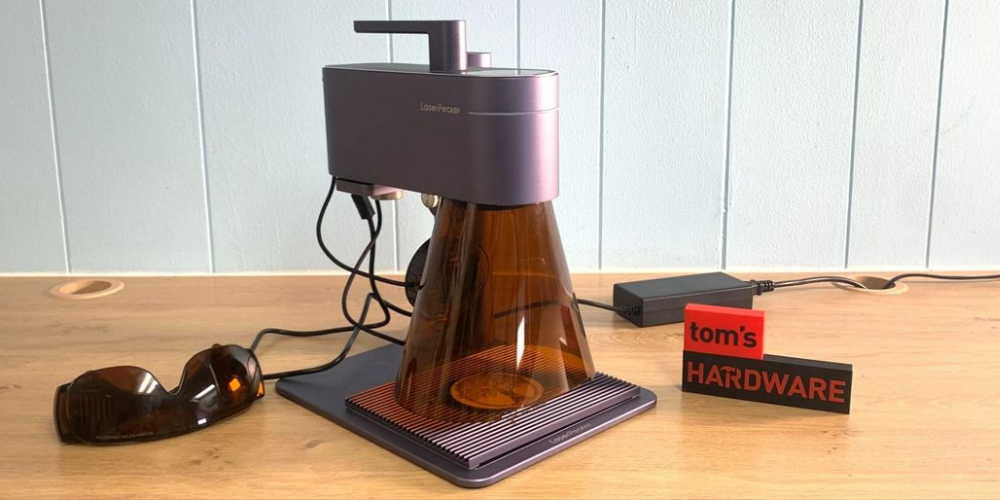
LaserPecker reflects the broader movement toward accessible digital fabrication and personalized production. Compact laser engraving technology can give hobbyists, designers, makers, and entrepreneurs new ways to transform ideas into physical products. From personalized gifts and artwork to business merchandise and decorative projects, the potential applications are diverse. At the same time, successful use requires careful attention to machine specifications, material compatibility, digital design, workspace preparation, and safety procedures. As technology continues developing, compact engraving equipment may become increasingly useful for creative individuals seeking flexible production tools. For anyone interested in exploring this field, learning the fundamentals and experimenting responsibly can provide a strong foundation for discovering what laser engraving can bring to their creative projects.